Best Eco-Friendly Utensils You Can Buy Online

Updated: Apr 11
Choosing Eco-Friendly Utensils: A Step Towards a Sustainable Kitchen
====================================================================
Choosing eco-friendly utensils is a wonderful step towards creating a sustainable kitchen. Every small change you make helps reduce waste and protect our planet. I’ve explored some of the best options available online that combine quality, style, and environmental responsibility. Let’s dive into the world of eco-friendly kitchenware and discover how you can make your cooking space greener and more mindful.
Why Choose Eco-Friendly Utensils?
Switching to eco-friendly utensils is more than just a trend; it’s a commitment to a healthier planet. Traditional plastic utensils often end up in landfills or oceans, taking hundreds of years to decompose. By choosing sustainable materials, you reduce pollution and support ethical manufacturing practices.
Eco-friendly utensils are usually made from renewable or biodegradable materials like bamboo, wood, or recycled metals. These materials not only break down naturally but also add a warm, natural touch to your kitchen. Plus, many of these utensils are durable and designed to last, meaning you won’t need to replace them frequently.
Here are some key benefits of eco-friendly utensils:
Reduce plastic waste in your kitchen and beyond.
Support sustainable farming and harvesting practices.
Enjoy safer, chemical-free cooking tools.
Add natural beauty and texture to your kitchen décor.
Making this switch is easier than you think, and it feels great knowing you’re making a positive impact every time you cook.
Top Materials for Eco-Friendly Utensils
When selecting eco-friendly utensils, the material matters a lot. Here are some of the best options you’ll find online:
Bamboo
Bamboo is a superstar in sustainable kitchenware. It grows quickly without pesticides and requires minimal water. Bamboo utensils are lightweight, strong, and naturally antibacterial. They also have a lovely smooth finish that feels great in your hand.
Wood
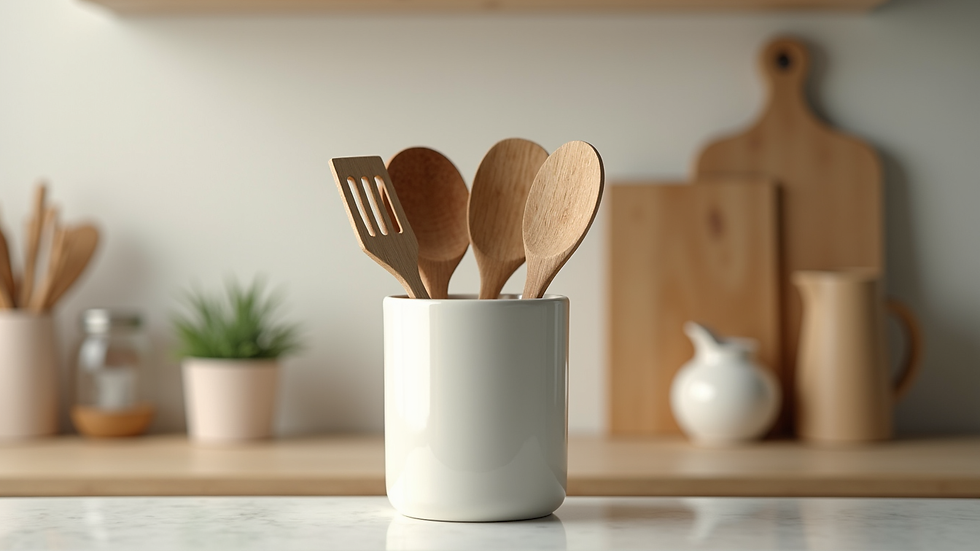
Wooden utensils, especially those made from sustainably harvested hardwoods like beech or maple, are classic and durable. They don’t scratch your cookware and develop a beautiful patina over time. Just remember to hand wash and oil them occasionally to keep them in top shape.
Stainless Steel
Recycled stainless steel utensils are a fantastic eco-friendly choice if you want something sturdy and long-lasting. They don’t absorb flavours or stains and are dishwasher safe. Look for brands that use recycled materials to reduce environmental impact.
Silicone
Food-grade silicone utensils are flexible, heat-resistant, and often made with eco-conscious manufacturing processes. While silicone is synthetic, it’s durable and can be recycled in some facilities, making it a better alternative to single-use plastics.
Other Natural Fibres
Some utensils are crafted from coconut shells, rice husks, or cornstarch composites. These innovative materials are biodegradable and add a unique flair to your kitchen tools.

How to Choose the Right Eco-Friendly Utensils for Your Kitchen
Choosing the right utensils depends on your cooking habits and preferences. Here are some tips to help you pick the best eco-friendly utensils:
Consider your cooking style - If you often cook with non-stick pans, wooden or silicone utensils are gentle and won’t damage the surface.
Think about maintenance - Bamboo and wood need hand washing and occasional oiling, while stainless steel and silicone are usually dishwasher safe.
Look for certifications - Certifications like FSC (Forest Stewardship Council) for wood or organic labels for bamboo ensure responsible sourcing.
Check for durability - Choose utensils that feel sturdy and well-made to avoid frequent replacements.
Match your kitchen aesthetic - Eco-friendly utensils come in various styles and finishes, so pick ones that complement your kitchen’s look.
By keeping these points in mind, you’ll find utensils that not only serve you well but also align with your values.
Where to Buy Eco-Friendly Utensils Online
Finding reliable sources for eco-friendly utensils can be overwhelming, but many online stores specialise in sustainable kitchenware. When you buy eco utensils online, you gain access to a curated selection of high-quality, earth-friendly products.
Look for shops that:
Offer detailed product descriptions and sourcing information.
Provide customer reviews to help you make informed choices.
Use minimal and recyclable packaging.
Support fair trade and ethical production.
Shopping online also allows you to compare prices and styles easily, making it simple to build a sustainable kitchen at your own pace.
Caring for Your Eco-Friendly Utensils
To make the most of your eco-friendly utensils, proper care is essential. Here’s how to keep them in great condition:
Hand wash wooden and bamboo utensils with mild soap and warm water. Avoid soaking them for long periods.
Dry immediately to prevent cracking or warping.
Oil wooden utensils regularly with food-safe oils like mineral or coconut oil to maintain moisture and durability.
Avoid harsh detergents or scrubbing pads that can damage the surface.
For stainless steel and silicone, follow manufacturer instructions; most are dishwasher safe but check to be sure.
With a little care, your utensils will last for years, reducing waste and saving you money.
Embrace a Greener Kitchen Today
Switching to eco-friendly utensils is a simple yet powerful way to live more sustainably. Each utensil you choose thoughtfully helps reduce plastic pollution and supports a healthier planet. By investing in quality, natural materials, you create a kitchen that feels good to use and looks beautiful.
Start small—maybe replace your most-used spoons or spatulas first. Then gradually build your collection with items that suit your cooking style and values. Remember, every step counts.
Explore the options, care for your utensils well, and enjoy the peace of mind that comes with mindful living. Your kitchen can be a place of creativity, joy, and sustainability all at once.
Ready to make the switch? You can easily buy eco utensils online and begin your journey towards a greener kitchen today.
The Future of Sustainable Kitchenware
As we move forward, the demand for sustainable kitchenware continues to grow. More brands are recognising the importance of eco-friendly practices. They are innovating to create products that are not only functional but also kind to the planet.
Innovations in Eco-Friendly Materials
New materials are emerging that promise even greater sustainability. For example, bioplastics made from plant materials are becoming more common. These materials can offer the durability of traditional plastics without the environmental impact.
The Role of Consumer Choices
Your choices matter. By opting for eco-friendly utensils, you send a message to manufacturers about the importance of sustainability. Each purchase is a vote for a cleaner, greener future.
Building a Sustainable Kitchen
Creating a sustainable kitchen goes beyond just utensils. Consider other aspects like energy-efficient appliances and composting options. Each element contributes to a more eco-conscious lifestyle.
Conclusion
In conclusion, choosing eco-friendly utensils is a meaningful step towards a sustainable kitchen. By selecting materials that are kind to the earth, you contribute to a healthier planet. Remember, every small change can lead to significant impacts.
Let’s embrace this journey together. Your kitchen can reflect your values and inspire others to make similar choices. Together, we can create a more sustainable future, one utensil at a time.


Comments